

Save the Bees!
Do your part to help stop what's killing the bees - from different pesticides, loss of habitat, lack of diverse feeding sources and more, fight against these devastating issues! We have compiled convienent information and actions you can take here.

Neonicotinoid Pesticide Ban (Canada)
No province or territory has fully banned neonicotinoids, a pesticide widely proven to harm pollinators. Here's why neonics should be banned.
ACTION
Sign petitions:
And - start your own!

Neonicotinoid Pesticide Bans (International)
Sign petitions for other countries to ban neonicotinoid pesticides, too!
This really works - in the UK, a petition with over 200,000 signers was victorious in getting the government to reverse their plans to reintroduce neonics.
ACTION
Sign petitions:
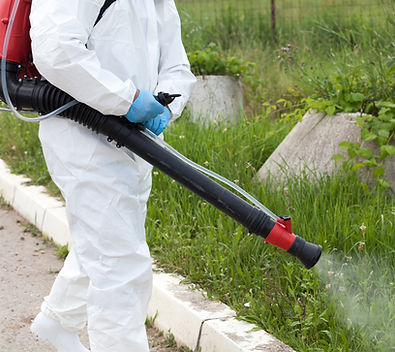
Glyphosate & Other Harmful Pesticides Ban
Glyphosate (Roundup) is one of the most toxic for humans, bees and the environment.
ACTION
Sign petitions
Easy tool to email to your political representative in under 1 minute
-
Buy organic food and produce, and organic cotton whenever possible (supports fewer pesticides)
-
Gardening: Use natural gardening - mulching, vinegar sprays, hand-weeding instead of herbicides

Bee Habitat Loss
Habitat loss is one of the main reasons bee populations are declining. Fragmented landscapes (roads/development), limited floral resources, and landscaping fabrics prevent bees from eating, nesting and mating.
ACTION
-
Try to avoid using landscaping fabrics
-
Never use pesticides
-
Leave patches of bare soil for ground-nesting bees and keep dead wood or fallen logs for wood-nesting species.
-
Use Bee Hotels: Install nesting houses with hollow tubes for native solitary bees, such as mason or leafcutter bees

Lack of Diverse Feeding Sources
Bees need wild flowering plants, not monoculture non-flowering plants (like lawn grass).
ACTION
Plant native wildflowers and native trees in any available space, such as window boxes, balconies, and shared community gardens
Create wildflower meadows or native gardens in place of plain grass lawns
Please include native trees: bees get a significant portion of their nectar from tree blossoms.

Changing Climate - Bees in Winter
Help bees in winter.
ACTION
Leave dead leaves, plant stems; protect bees' nests during the fall, winter and spring
Supply bees with food in early spring (a hard time for them) by planting early-blooming flowers & trees


